Integrating Child Psychology Programmes in Schools for Holistic Development

Integrating Child Psychology Programmes in Schools for Holistic Development

Integrating Child Psychology Programmes in Schools for Holistic Development

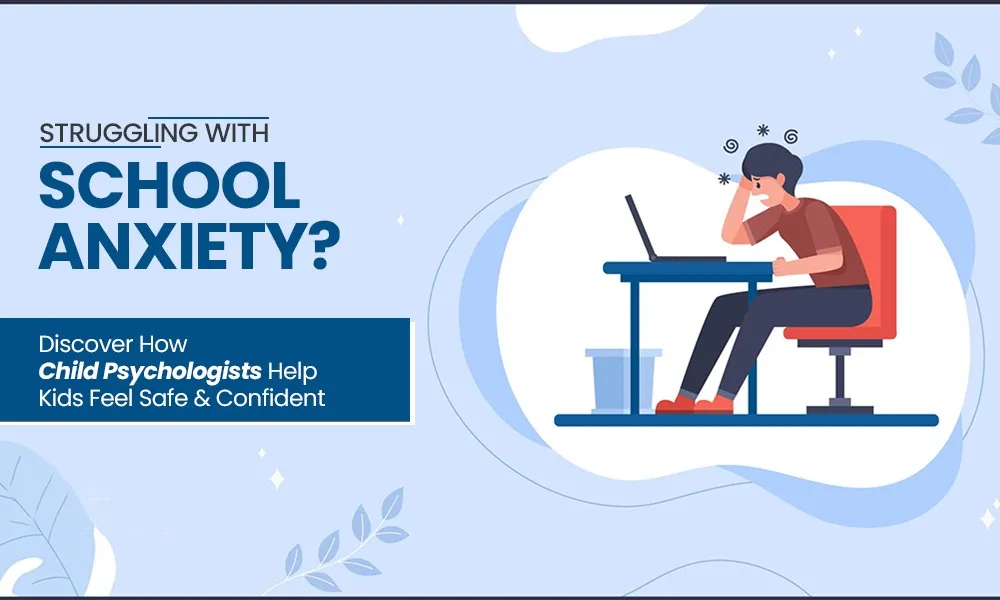
Schools are no longer just centres of academic learning—they now shape emotional, social and behavioural growth as well. With rising pressures on young minds, this support has become more crucial than ever. According to the U.S. Department of Health and Human Services, 1 in 5 children aged 3–17 experiences a mental, emotional, behavioural, or developmental disorder, highlighting the urgent need for early intervention.
Structured child psychology programmes in schools help pupils build confidence, manage emotions and develop stronger communication skills, creating a healthier path for overall development.

Why Early Support Makes a Difference

Early support lays the foundation for steady growth. When pupils receive guidance during their early years, they learn to recognise emotions, handle stress and respond to challenges with confidence. This preparation strengthens their ability to interact with peers and teachers while helping them form positive long-term habits.

How Schools Influence Emotional Growth

Schools shape how children understand themselves and others. Classrooms introduce them to communication, cooperation and problem-solving. When teachers and counsellors use structured methods to address emotional needs, pupils feel safer and more confident. This environment helps them manage day-to-day pressures and express their feelings without fear.

Why Psychology Support Matters in Classrooms

Behavioural changes, social withdrawal, or difficulties with attention can appear quietly. Staff trained in student psychology support can identify these signs early. When pupils receive help at the right time, they find it easier to stay focused, participate in lessons and form healthy relationships with classmates.

Benefits of School-Based Development Programmes

Child development programmes help children strengthen communication, build resilience and understand boundaries. These programmes teach pupils how to navigate conflicts, work with peers and manage frustration. They also encourage independent thinking and create a stronger link between personal growth and academic success.

Supporting Children Through Structured Mental Health Plans

School mental health programmes offer organised methods for managing emotional challenges. Through guided sessions, pupils learn how to understand their thoughts and actions. These plans also help teachers recognise when a child may need extra support, creating a safer and more supportive environment within the school.

How Teachers Contribute to Emotional Wellbeing

Teachers play a central role in creating a supportive environment. The way they respond to behaviour, encourage participation, and offer reassurance shapes how pupils feel about themselves. When teachers understand basic child psychology principles, they notice early signs of distress and respond with patience and clarity.

Creating a Safe and Supportive School Environment

A supportive school environment gives pupils the courage to express themselves. Calm classrooms, clear routines and open communication help children feel secure. When pupils feel safe, they become more willing to share their concerns, try new activities and build stronger connections with peers and teachers.

The Role of Parents in School-Based Support

Parents and schools work best when they share information openly. When parents understand how their child behaves in classrooms, they can support emotional growth at home. Regular communication between staff and parents helps ensure that the child receives consistent guidance across both settings.

How Schools Can Introduce Psychology Programmes

Introducing programmes requires a clear plan. Schools can start by conducting assessments, training staff and offering small group sessions. Activities may include emotion-recognition games, confidence-building exercises and problem-solving tasks. Regular review helps schools understand what works best for their pupils.

Long-Term Impact on Pupils

Children who grow up with steady emotional support often develop stronger decision-making skills. They understand boundaries better, communicate clearly and build healthier friendships. This foundation benefits them throughout their education and prepares them for challenges later in life.

Why Professional Guidance Strengthens School Programmes

Outside experts bring structured methods, clinical understanding and reliable assessment tools. Schools partnering with trained psychologists can address a wider range of concerns effectively. Regular sessions with specialists help pupils gain clarity, build self-awareness and develop strategies for responding to emotional pressures.

How Mindsy Supports Schools

Mindsy provides trained child psychologists who work closely with schools to build programmes tailored to pupils’ needs. From emotional development sessions to behaviour assessments, Mindsy helps staff identify challenges early and offer meaningful support. The platform also guides teachers and parents through structured plans, creating steady progress for every child.


FAQ’S


1. What is the purpose of child psychology programmes in schools?

Child psychology programmes help pupils understand emotions, build social skills and manage behaviour. They create a supportive environment that encourages healthy growth, confidence, and smoother classroom interactions.

2. How do schools know when a pupil needs psychological support?

Schools often notice signs such as withdrawal, sudden changes in behaviour, difficulty focusing, or trouble mixing with peers. When these patterns continue, pupils may need emotional or behavioural support through a structured school programme.

3. How do child development programmes help pupils learn better?

These programmes strengthen communication, emotional awareness and problem-solving. When children feel emotionally settled, they participate more actively, stay more focused and respond better to everyday challenges in school.

4. What benefits do student psychology support programmes offer?

They help pupils build resilience, develop self-control, handle stress and improve peer relationships. The support also reduces classroom disruptions and creates a calmer learning environment.

5. Can school mental health programmes improve academic performance?

Yes. When pupils receive emotional support, their concentration improves, their motivation increases and they show better engagement in lessons. This often leads to stronger academic progress.

DATA Source - https://www.apa.org/topics/children/mental-health#:~:text=How%20many%20children%20have%20mental,help%20from%20mental%20health%20professionals.